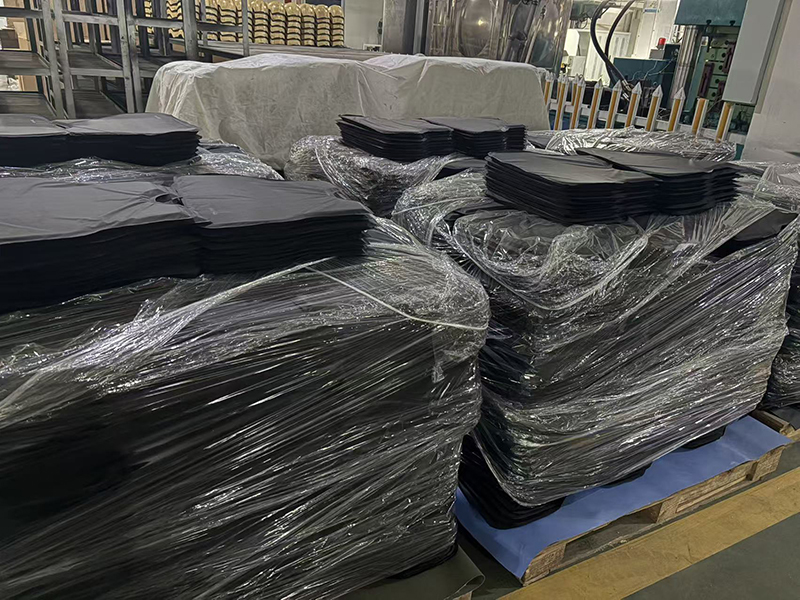
Compare Level III aluminium oxide and Level IV boron carbide ceramic armor plates by verified threat coverage, certification evidence, construction, wearability, cost scope and procurement checks. The guide clarifies that the Level III alumina plate is stated for 7.62×51 NATO M80 and cannot stop all rifle rounds, while the Level IV boron carbide plate requires model-specific certification before comparison.
2026-11-27 17:00:36
A procurement-focused comparison of standard rectangle riot shields and interlocking combined riot shields, covering individual carry versus shield-wall deployment, non-ballistic limits, materials, maintenance, lead time, and use in police riot control, civil defense, and large-event security.
2026-11-27 16:48:16
A decision-stage comparison of the three protection families a security buyer must choose between: NIJ IIIA soft armor (concealable VIP bulletproof vest, IIIA PE plate), rifle-rated ceramic hard plates in a carrier, and riot-control ensembles such as the anti-riot suit and full-body anti-riot protective suit. It sets out what each is documented to stop, what each will not stop, how construction dictates wear format, how to compare shield and suit variants, and a seven-step procurement sequence covering threat profile, test standard, dimensions, carrier compatibility, wear duration and local procurement rules.
2026-11-27 16:47:29
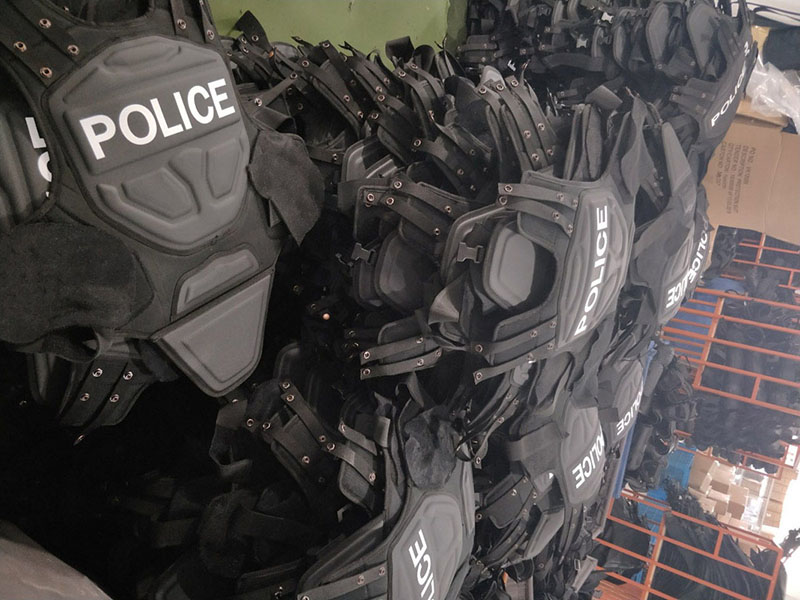
A decision guide for buyers comparing anti-riot suits with ballistic vests, helmets, shields and plates. It explains threat matching, the limits of NIJ IIIA soft armor, why a IIIA PE plate is not a rifle plate, and why a polycarbonate anti-riot shield is not a ballistic shield.
2026-11-27 16:47:16
A decision-focused comparison of the Concealable VIP Bulletproof Vest and plate carrier tactical vest, covering NIJ IIIA handgun protection, rifle-rated hard armor, concealment, fit, deployment scenarios, verification and procurement checks for security buyers.
2026-11-27 16:46:57